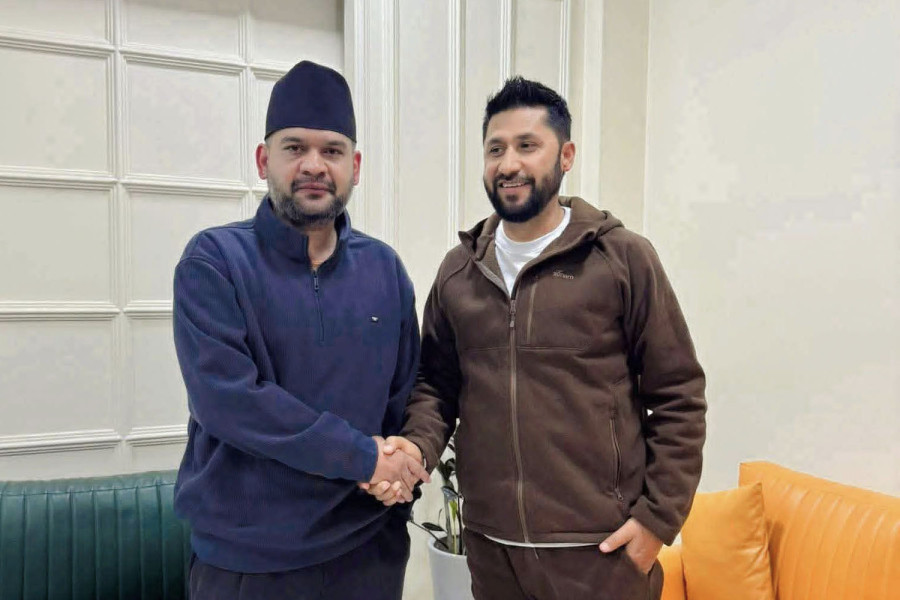
On December 28, 2025, the Rastriya Swatantra Party (RSP) and Kathmandu Mayor Balendra “Balen” Shah signed a seven-point unity agreement. This deal is a significant step in Nepal politics ahead of the March 5, 2026, parliamentary elections.
Under the agreement, Balen Shah will be the prime ministerial candidate, and RSP Chair Rabi Lamichhane will stay as the party leader. The party’s name, election symbol (bell), and flag will remain the same.
The deal comes after Gen Z protests demanding change. People want better governance and transparency. Leaders say this alliance aims to attract young voters and give a fresh choice in Nepal politics.
Experts say the coalition could change how people vote. Balen Shah is popular as Kathmandu mayor, and RSP has support in federal politics. This combination may influence other parties and reshape alliances across Nepal.
Both leaders said the unity deal is not just about winning elections. They want to improve governance, development, and youth participation. The seven-point agreement includes:
The alliance may also invite other reform-focused groups to join, showing a plan to strengthen Nepal politics with new voices.
Traditional political parties are watching the alliance closely. Some may form their own coalitions to compete. Experts believe this alliance can influence voters across the country and motivate young citizens to engage in elections.
The RSP-Balen Shah unity is a significant development in Nepal politics. As the March 5 elections near, this seven-point alliance could reshape voter choices and affect the political balance in Nepal.
Follow NEPSETALK to stay updated with the latest stock market, business, and tech news in Nepal.
For full details, read the report on OnlineKhabar.


लोड हुँदैछ...


0 Comments